

 March 5, 2024
 3 mins to read
The landscape of Australian workplaces is undergoing a transformative shift, and at the heart of this evolution lies the concept of hybrid work models. As businesses adapt to the changing dynamics of work, the traditional 9-to-5 office routine is giving way to a more flexible and adaptable approach. In this blog, we’ll explore the future of Australian workplaces, delving into the intricacies of hybrid work models, their impact, and the key considerations for businesses and employees alike.
Defining Hybrid Work Models:
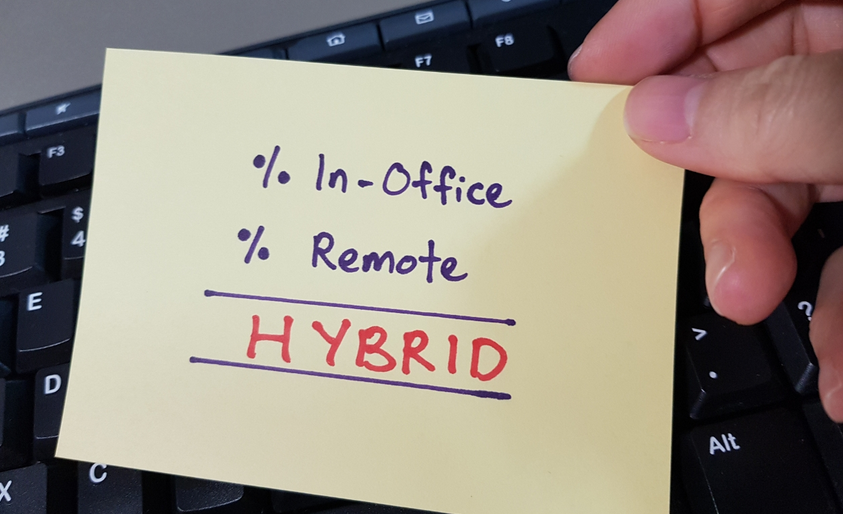
Hybrid work models blend traditional office-based work with remote or flexible work arrangements. This approach recognizes that not all tasks require a physical presence in the office, and it offers employees the flexibility to choose when and where they work based on the nature of their responsibilities.
Key Components of Hybrid Work Models:
Flexibility in Work Locations:
- Employees have the option to work from the office, home, or other remote locations.
- Workplaces are reimagined as activity-based spaces, with collaboration zones and quiet areas catering to different tasks.
Technology Integration:
- Advanced technology facilitates seamless communication and collaboration between in-office and remote teams.
- Cloud-based tools and project management platforms become integral to the hybrid work environment.
Results-Oriented Performance Metrics:
- Focus shifts from monitoring hours worked to measuring outcomes and productivity.
- Clear performance metrics help assess and reward employees based on their contributions.
Cultural Adaptation:
- Organizations foster a hybrid-friendly culture that values flexibility, trust, and accountability.
- Regular communication and team-building initiatives bridge the gap between in-office and remote workers.
Employee Well-being:
- Hybrid work models prioritize employee well-being, acknowledging the importance of work-life balance.
- Policies and programs support mental health, stress management, and overall employee wellness.
Benefits of Hybrid Work Models:
Enhanced Flexibility:
- Employees can tailor their work environments to suit their preferences, contributing to improved work-life balance.
Increased Productivity:
- Elimination of commuting time and reduction in workplace distractions can lead to heightened productivity.
Talent Acquisition and Retention:
- Attracting a diverse talent pool becomes easier, as geographical constraints are minimized.
- Employees are more likely to stay with organizations that offer flexible work arrangements.
Cost Savings:
- Reduced office space requirements and operational costs translate into potential savings for businesses.
Adaptation to Changing Circumstances:
- Hybrid models provide agility in responding to unforeseen circumstances such as public health crises or natural disasters.
Challenges and Considerations:
Equitable Access to Opportunities:
- Ensuring that all employees, regardless of location, have equal access to career development opportunities and promotions.
Communication and Collaboration:
- Overcoming potential communication challenges and maintaining a strong sense of team cohesion in a dispersed work environment.
Technology Infrastructure:
- Investing in robust technology infrastructure to support seamless connectivity, collaboration, and data security.
Defining Work Boundaries:
- Encouraging employees to establish clear boundaries between work and personal life to avoid burnout.
Leadership Training:
- Equipping leaders with the skills to manage and motivate hybrid teams effectively.
Conclusion:
Australian businesses are embracing hybrid work models to create flexible, innovative, and employee-friendly environments, paving the way for a resilient and adaptive future in the workplace.
#HybridWork
#FutureOfWork
#AustralianWorkplaces
#FlexibleWork
#RemoteWork
#WorkplaceTransformation
#EmployeeWellbeing
#DigitalWorkplace
#WorkLifeBalance
#HybridCulture
#ProductivityInnovation
#TalentRetention