

 September 10, 2025
  3 mins to read
 In client services management, technical expertise and problem-solving skills are essential—but they aren’t the whole story. Emotional intelligence (EI) plays a pivotal role in building strong client relationships, resolving conflicts, and fostering trust. Understanding and managing emotions, both your own and those of clients, can significantly enhance the quality of service and overall client satisfaction.
1. Understanding Emotional Intelligence
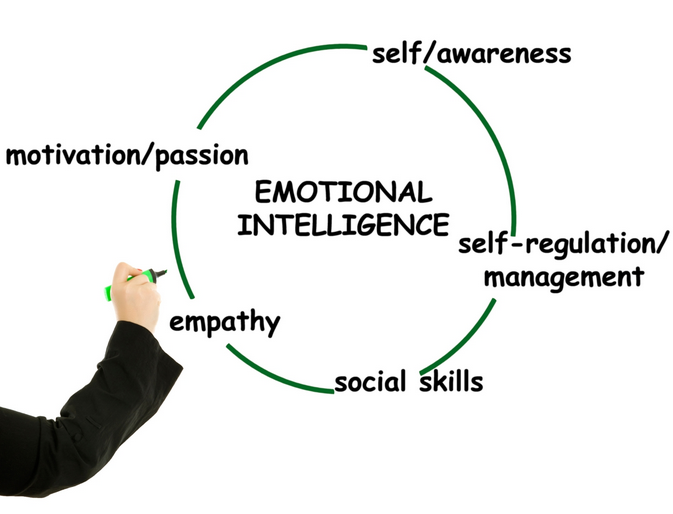
Emotional intelligence is the ability to recognize, understand, and manage emotions. It encompasses self-awareness, self-regulation, empathy, motivation, and social skills. In client services, EI enables managers to respond thoughtfully rather than react impulsively, read nonverbal cues, and adjust their communication styles to suit different client personalities. This sensitivity helps create a professional and empathetic experience that clients remember.
2. Building Stronger Client Relationships
Clients value service professionals who genuinely understand their needs and concerns. By employing EI, managers can actively listen, identify underlying issues, and respond with empathy. This creates a sense of partnership rather than a transactional relationship. Clients are more likely to remain loyal and recommend services when they feel heard, respected, and valued.
3. Effective Conflict Resolution
Disagreements or misunderstandings are inevitable in client services. Managers with high emotional intelligence can navigate these situations calmly and effectively. They can defuse tension, identify the root causes of conflict, and communicate solutions in a way that preserves relationships. Emotional intelligence enables managers to remain objective and professional when addressing the emotional aspects of disputes—a key factor in achieving successful resolution.
4. Enhancing Team Collaboration
Client services managers often act as a bridge between clients and internal teams. EI helps managers understand team dynamics, mediate conflicts, and motivate employees to deliver their best work. A manager who models empathy and emotional awareness fosters a supportive environment, ensuring that client interactions remain positive and productive.
5. Adapting to Client Needs
Different clients have different communication preferences, emotional triggers, and expectations. Emotional intelligence equips managers to recognize these variations and adapt their approach accordingly. Whether calming an anxious client or motivating a hesitant decision-maker, EI allows managers to tailor their strategies, improving both satisfaction and outcomes.
Conclusion
Emotional intelligence is more than a soft skill—it’s a critical component of effective client services management. By cultivating self-awareness, empathy, and emotional regulation, managers can strengthen client relationships, resolve conflicts more effectively, and enhance team collaboration. In a world where client experience is paramount, EI empowers managers to connect, adapt, and deliver exceptional service.
#ClientServices #EmotionalIntelligence #CustomerExperience #ClientManagement #LeadershipSkills #EmpathyInBusiness #ConflictResolution #ProfessionalGrowth #TeamCollaboration #CustomerSatisfaction